If your Sonoma County home was built between 1965 and 1972, it may have aluminum branch wiring — a known fire risk because aluminum expands, contracts, and oxidizes at connections. Here are the warning signs to watch for and the proven ways to make it safe.
Aluminum wiring, commonly used in homes built between 1965 and 1972, presents unique safety risks that homeowners must understand. This guide delves into the hazards associated with aluminum wiring, including potential fire risks and insurance complications, while also providing actionable recommendations for homeowners. As many older homes in Sonoma County still utilize aluminum wiring, it is crucial to recognize the signs of hazards and the necessary upgrades to ensure safety. By addressing these issues proactively, homeowners can mitigate risks and enhance the safety of their electrical systems. This article will cover safety concerns, associated risks, recommended upgrades, and the importance of professional inspections.
Safety Concerns
Aluminum wiring poses several safety concerns that homeowners should be aware of. Unlike copper wiring, aluminum expands and contracts more significantly with temperature changes, which can lead to loose connections. These loose connections can create hot spots, increasing the risk of electrical fires. Homeowners should remain vigilant for signs of hazards, as early detection can prevent serious incidents.
Aluminum Wiring
Aluminum wiring was widely used in residential construction during the late 1960s and early 1970s due to its lower cost compared to copper. However, it has unique properties that can lead to safety issues. Aluminum is more prone to oxidation, which can create resistance at connections and increase the likelihood of overheating. Understanding these characteristics is essential for homeowners to recognize the potential dangers associated with aluminum wiring.
Signs of Hazard
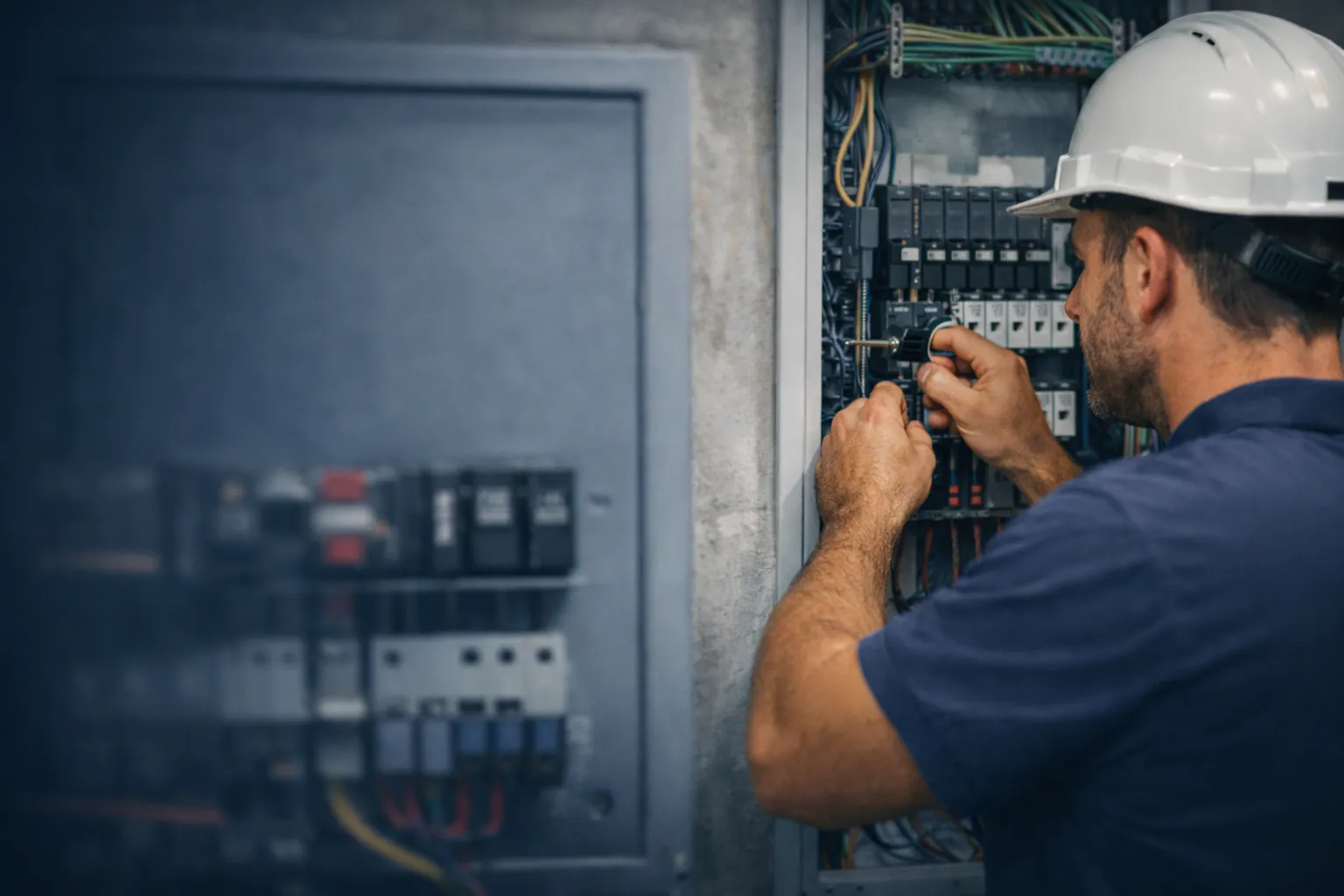
Homeowners should be aware of several signs that may indicate hazardous aluminum wiring. Common indicators include:
- Discolored or Warm Outlets: Outlets that feel warm to the touch or show discoloration may signal overheating due to poor connections.
- Buzzing or Crackling Sounds: Unusual sounds from outlets or switches can indicate electrical arcing, a serious fire hazard.
- Frequent Tripping of Breakers: If circuit breakers trip often, it may be a sign of overloaded circuits or faulty wiring.
Recognizing these signs early can help homeowners take necessary action to address potential hazards.
Associated Risks
The risks associated with aluminum wiring extend beyond immediate safety concerns. Homeowners must understand these risks to make informed decisions about their electrical systems.
Fire Hazards
Loose connections in aluminum wiring can generate heat, leading to a significant fire risk. Older wiring systems are particularly vulnerable, as they may not meet current safety standards. Homeowners should prioritize regular inspections to identify and rectify any loose connections before they escalate into dangerous situations.
Insurance Issues
Many insurance companies are hesitant to cover homes with aluminum wiring, viewing it as a higher risk. Homeowners may face increased premiums or even difficulty obtaining coverage. Understanding the implications of having aluminum wiring can help homeowners navigate insurance challenges and explore options for remediation.
Recommended Upgrades for Homeowners
Homeowners with aluminum wiring should consider several upgrades to enhance safety and compliance with current electrical standards.
Inspection
Professional electrical inspections are crucial for identifying aluminum wiring and other potential hazards. Homeowners are encouraged to schedule inspections, especially for homes over 30 years old, to ensure their electrical systems are safe and up to code.
Remediation Options
There are several remediation options available for addressing aluminum wiring issues:
- Complete Replacement: Replacing aluminum wiring with copper wiring is the safest option, ensuring compliance with current safety standards.
- Using COPALUM or AlumiConn Connections: These methods create secure connections that reduce the risk of overheating and electrical fires.
Complete Replacement
Opting for complete replacement of aluminum wiring is a proactive approach that enhances safety and reliability. Copper wiring is generally safer and more efficient, providing peace of mind for homeowners concerned about electrical hazards.
COPALUM Crimp Connection
The COPALUM connection method involves creating a permanent copper-to-aluminum connection, significantly reducing the risk of loose connections. This method is recognized for its effectiveness in improving the safety of existing aluminum wiring systems.
Panel Upgrades
Upgrading electrical panels is essential for homes with aluminum wiring. Older panels may not support modern electrical demands, and upgrading can enhance safety and efficiency. Homeowners should consult with licensed electricians to assess their panel needs.
Regular Maintenance
Regular maintenance and inspections of electrical systems are vital for ensuring ongoing safety. Homeowners should schedule inspections every 3-5 years to identify potential issues and ensure compliance with current codes.
How Does Aluminum Wiring Pose Electrical Fire Risks in Older Homes?
Aluminum wiring can lead to electrical fires primarily due to loose connections that generate heat. This risk is heightened in older homes where wiring may not meet current safety standards.
What Are Common Signs of Faulty Aluminum Wiring to Watch For?
Homeowners should look for signs such as warm outlets, unusual sounds from electrical fixtures, and frequent tripping of circuit breakers, which may indicate faulty aluminum wiring.
How Can Homeowners Identify Aluminum Wiring and Its Associated Hazards?
Homeowners can identify aluminum wiring by checking the color of the wire; aluminum is typically a dull gray. Additionally, they should look for signs of wear or damage that may indicate hazards.
How Do Licensed Electricians Conduct Electrical Safety Inspections for Aluminum Wiring?
Licensed electricians conduct thorough inspections by examining wiring connections, checking for signs of overheating, and ensuring compliance with current electrical codes.
What Is the Process for Safely Upgrading Aluminum Wiring in Sonoma County Homes?
The process involves scheduling a professional inspection, determining the best remediation options, and implementing upgrades, such as complete replacement or secure connections.
How Much Does Aluminum Wiring Replacement Cost in Northern California?
The cost of aluminum wiring replacement can vary based on the size of the home and the extent of the work required. Homeowners should consult with licensed electricians for accurate estimates.
Are There Financing or Incentive Options Available for Wiring Replacement?
Homeowners may explore financing options or local incentives for upgrading electrical systems, which can help offset the costs associated with aluminum wiring replacement.
Why Choose Licensed Electricians Like Eleos Electric for Aluminum Wiring Services?
Choosing licensed electricians ensures that the work is performed safely and in compliance with local codes. Eleos Electric is a trusted provider of electrical services in Sonoma County, emphasizing safety and quality workmanship.
What Qualifications and Experience Do Eleos Electric Professionals Bring?
Eleos Electric professionals are experienced in handling aluminum wiring issues and are committed to providing high-quality electrical services tailored to the needs of homeowners.
How Does Eleos Electric Ensure Customer Safety and Satisfaction?
Eleos Electric prioritizes customer safety by adhering to strict safety protocols and providing thorough inspections and quality workmanship to ensure satisfaction.
Sonoma County · Since 1990
Talk to a licensed electrician about aluminum wiring safety.
Free estimates, same-day response, and a real person on the phone — usually the owner.