When the power goes out in Northern California, two solutions keep your home running: a battery backup system or a whole house generator. They differ on cost, runtime, maintenance, and environmental impact. Here's how to decide which fits your home.
In an era where power outages can disrupt daily life, choosing the right emergency power solution is crucial for homeowners. This article delves into the comparison between home battery backup systems and whole house generators, helping you understand their functionalities, costs, and benefits. By exploring these two options, you will learn how they operate, their installation requirements, and maintenance considerations. The goal is to equip you with the knowledge to make an informed decision that best suits your needs.
Power outages can occur unexpectedly, leaving households without electricity for extended periods. Home battery backups and whole house generators offer solutions to this problem, each with unique advantages and disadvantages. This article will cover key aspects such as cost, capacity, installation requirements, maintenance considerations, performance during outages, and environmental impact. By the end, you will have a clearer understanding of which system is the right fit for your home.
Cost
When considering a backup power solution, understanding the costs associated with home battery backups and whole house generators is essential. The initial investment for these systems can vary significantly based on their capacity and features.
| Product Type | Cost | Features |
|---|---|---|
| Home Battery Backup | $7,000 - $20,000 | Renewable energy integration, silent operation, low maintenance |
| Whole House Generator | $3,000 - $15,000 | High output capacity, automatic transfer switch, fuel supply line |
In addition to the initial costs, potential savings from incentives for renewable energy systems can also influence your decision. Long-term cost considerations, such as fuel expenses for generators and battery replacement costs, should also be factored into your budget.
Capacity
Capacity is a critical factor when comparing home battery backups and whole house generators. Home battery systems typically have a lower output capacity than generators, making them suitable for essential appliances and lighting during outages.
Battery systems can provide power for several hours, depending on the load, while whole house generators can run for days, depending on fuel availability. Understanding your household's power needs will help you determine the appropriate capacity for your backup system.
Installation Requirements
The installation requirements for home battery backups and whole house generators differ significantly.
- Professional Installation: Both systems require professional installation to ensure safety and compliance with local codes.
- Permitting Processes: Homeowners must navigate permitting processes, which can vary by location and system type.
- Space Considerations: Generators typically require more space for installation, including ventilation for exhaust.
Eleos Electric specializes in the installation of both systems, ensuring that your chosen solution is set up correctly and efficiently.
Maintenance Considerations
Regular maintenance is vital for the reliability of both home battery backups and whole house generators.
- Battery Backups: These systems generally require less maintenance, with periodic checks on battery health and software updates.
- Generators: Maintenance involves regular servicing, including oil changes, filter replacements, and fuel management.
Understanding the maintenance needs of each system can help you plan for ongoing costs and ensure optimal performance. Eleos Electric offers maintenance services for both systems, providing peace of mind for homeowners.
Performance During Outages
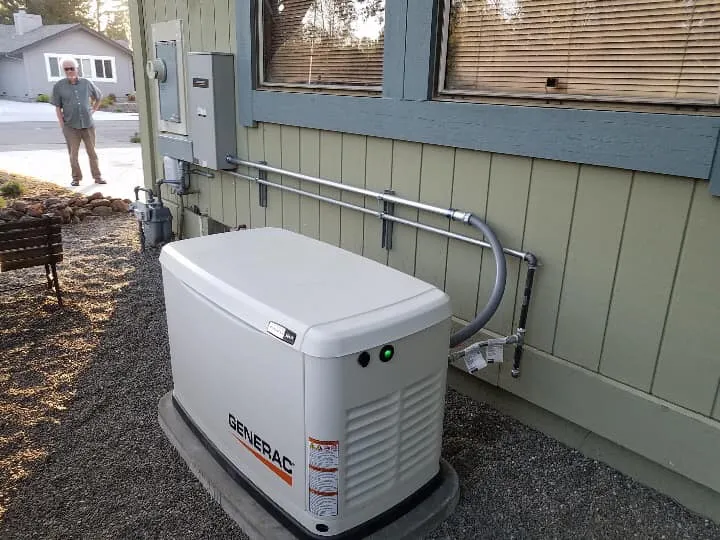
The performance of home battery backups and whole house generators during power outages can vary significantly.
- Battery Backups: These systems typically have a quick response time, automatically switching on when an outage occurs. However, their runtime is limited by battery capacity.
- Whole House Generators: These systems can provide power for extended periods, making them ideal for longer outages. They also have a slightly longer startup time but can handle larger loads.
Understanding how each system performs during outages will help you choose the right solution for your needs.
Environmental Impact
The environmental impact of home battery backups and whole house generators is an important consideration for many homeowners.
- Battery Backups: These systems often utilize renewable energy sources, reducing reliance on fossil fuels and lowering carbon emissions.
- Generators: Traditional generators can produce emissions and noise, which may be a concern for environmentally conscious homeowners.
Evaluating the environmental implications of each option can guide your decision-making process.
What Are the Key Differences Between Home Battery Backup Systems and Whole House Generators?
Home battery backup systems and whole house generators differ in several key areas:
- Functionality: Battery backups are designed for short-term use, while generators can provide power for extended periods.
- Cost: Initial costs can vary, with battery systems often being more expensive upfront but potentially offering savings in the long run.
- Installation: Generators typically require more space and complex installation compared to battery systems.
Understanding these differences can help you make an informed choice based on your specific needs.
How Do Battery Backup Systems Provide Emergency Power?
Battery backup systems provide emergency power by storing energy from the grid or renewable sources, such as solar panels. When an outage occurs, these systems automatically switch to battery power, supplying electricity to essential appliances. The energy storage mechanism allows homeowners to maintain power during outages without relying on fuel sources.
What Is the Role of Whole House Generators During Power Outages?
Whole house generators play a crucial role during power outages by providing a reliable source of electricity. These systems automatically detect outages and switch on, supplying power to the entire home. They typically run on natural gas or propane, ensuring a continuous power supply as long as fuel is available.
What Are the Advantages and Disadvantages of Battery Backup Systems?
Battery backup systems offer several advantages and disadvantages:
Advantages
- Low Maintenance: Battery systems require less maintenance compared to generators.
- Silent Operation: They operate quietly, making them suitable for residential areas.
- Renewable Energy Integration: Many systems can be charged using solar energy.
Disadvantages
- Limited Runtime: Battery backups can only provide power for a limited time based on their capacity.
- Higher Initial Costs: The upfront investment can be significant, especially for larger systems.
What Benefits Do Battery Backup Systems Offer for Homeowners?
Battery backup systems provide numerous benefits for homeowners, including:
- Energy Independence: Homeowners can rely on stored energy during outages, reducing dependence on the grid.
- Cost Savings: Utilizing renewable energy sources can lead to lower electricity bills.
- Environmental Benefits: Reduced reliance on fossil fuels contributes to a lower carbon footprint.
What Are the Limitations and Maintenance Needs of Battery Backup Systems?
While battery backup systems are advantageous, they do have limitations and maintenance needs:
- Runtime Limitations: The duration of power supply is limited by battery capacity, which may not support all household needs during extended outages.
- Maintenance Requirements: Regular checks on battery health and software updates are necessary to ensure optimal performance.
How Does Whole House Generator Installation Work and What Are the Associated Costs?
The installation of whole house generators involves several steps:
- Site Assessment: A professional evaluates the property to determine the best location for the generator.
- Permitting: Necessary permits are obtained to comply with local regulations.
- Installation: The generator is installed, including connections to the electrical system and fuel supply.
Costs for installation can vary based on the generator size and complexity of the installation.
How Much Does a Whole House Generator Cost in Northern California?
In Northern California, the cost of a whole house generator typically ranges from $3,000 to $15,000, depending on the size and features of the unit. Factors affecting costs include installation complexity, fuel type, and additional features such as automatic transfer switches.
How Do Home Battery Backup Systems and Whole House Generators Compare in Cost and Lifespan?
When comparing costs and lifespan, home battery backup systems and whole house generators present different scenarios:
- Cost Analysis: Battery systems generally have higher upfront costs but can offer savings through renewable energy use. Generators may have lower initial costs but incur ongoing fuel expenses.
- Lifespan Expectations: Battery systems typically last 10-15 years, while generators can last 20-40 years with proper maintenance.
Which Backup Power Solution Is Best for Northern California Homes?
The best backup power solution for Northern California homes depends on individual needs and circumstances. Home battery backups may be ideal for those seeking renewable energy integration and lower maintenance, while whole house generators are better suited for homeowners needing extended power during outages.
How Do Local Power Outage Trends Influence Backup Power Choices?
Local power outage trends significantly influence backup power choices. In areas prone to frequent outages, homeowners may prioritize whole house generators for their reliability. Conversely, regions with fewer outages may find battery backups sufficient for their needs.
What Are the Energy Efficiency and Environmental Considerations?
Energy efficiency and environmental considerations are crucial when selecting a backup power solution. Battery backups often utilize renewable energy sources, reducing carbon emissions. In contrast, traditional generators can contribute to air pollution and noise, making them less appealing for environmentally conscious homeowners.
What Maintenance Practices Ensure Reliability for Battery Backups and Generators?

To ensure reliability, both battery backups and generators require regular maintenance practices:
- Battery Backups: Regular checks on battery health and software updates are essential.
- Generators: Routine servicing, including oil changes and filter replacements, is necessary to maintain optimal performance.
How Should Whole House Generators Be Maintained for Optimal Performance?
Maintaining whole house generators involves several key practices:
- Regular Servicing: Schedule routine maintenance checks to ensure all components are functioning correctly.
- Fuel Management: Monitor fuel levels and replace fuel as needed to prevent degradation.
- Testing: Periodically test the generator to ensure it operates correctly during an outage.
By following these maintenance practices, homeowners can ensure their generators remain reliable and effective during power outages.
For more information about Eleos Electric and the services they offer, visit their website.
Sonoma County · Since 1990
Talk to a licensed electrician about backup power for your home.
Free estimates, same-day response, and a real person on the phone — usually the owner.